The Fitness Industry Wants You Smaller. I Want You Stronger.
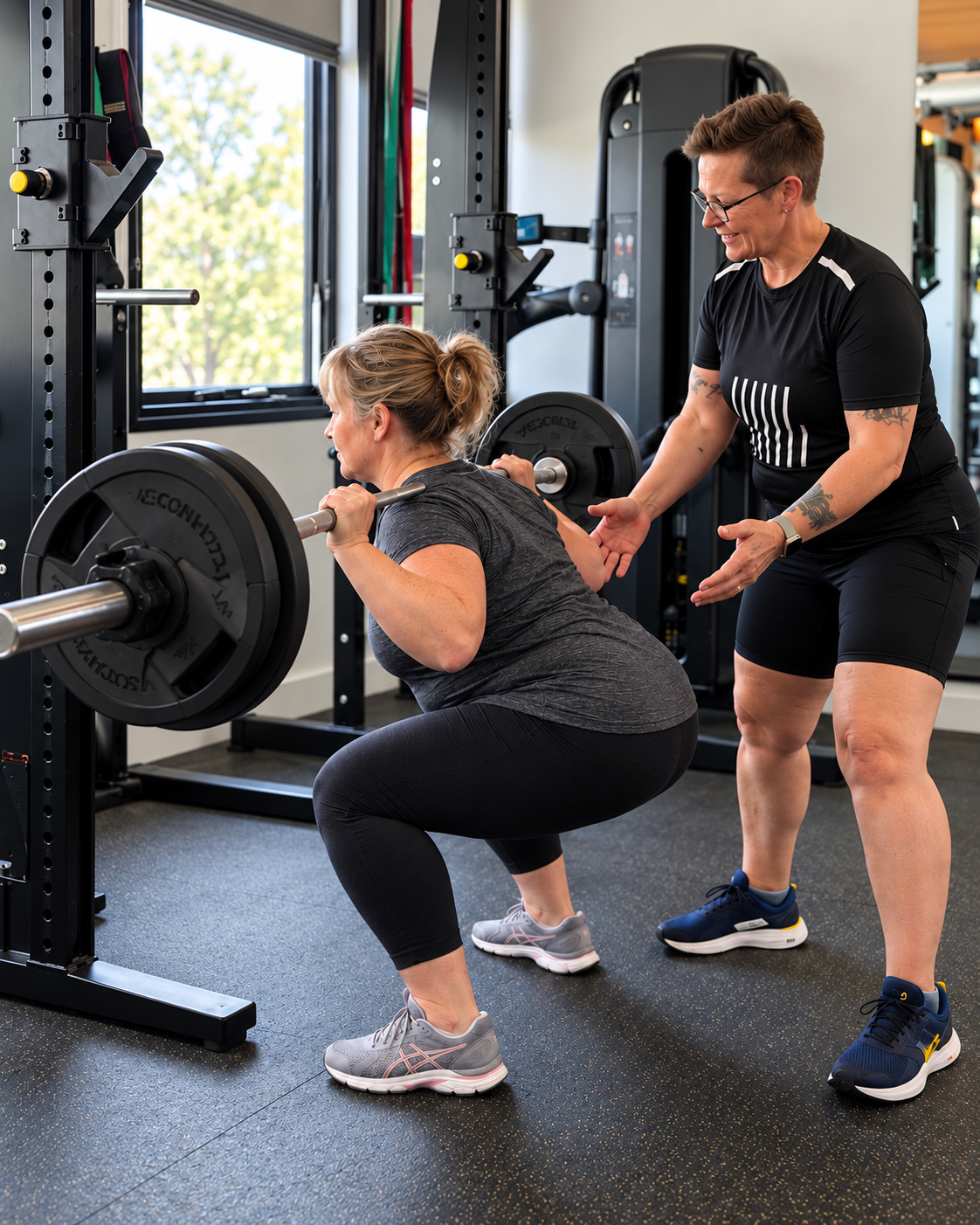
When did being healthy become so focused on being smaller?
Scroll through social media and you'll find endless promises. Lose a stone in six weeks. Drop a dress size. Get your body back. Transform yourself in 30 days.
Before-and-after photographs, shrinking waistlines and dramatic numbers on the scales.
And the message underneath it all?
Smaller is better.
But is it?
Are We Selling Weight Loss Rather Than Health?
Let's be clear. There is nothing wrong with wanting to lose weight. For many people, reducing excess body fat can bring genuine health benefits.
I know that better than most.
I've lived in a much larger body. I've experienced the embarrassment, frustration and sheer hard work involved in losing a significant amount of weight.
I also know that losing weight and maintaining that loss are two very different challenges.
What concerns me is an industry that can make an enormous amount of money from people repeatedly starting over.
New diets. New challenges. New promises.
And if the weight comes back? There's another programme waiting.
But perhaps the problem isn't that people lack willpower.
Perhaps we're not teaching people how to make changes they can actually live with.
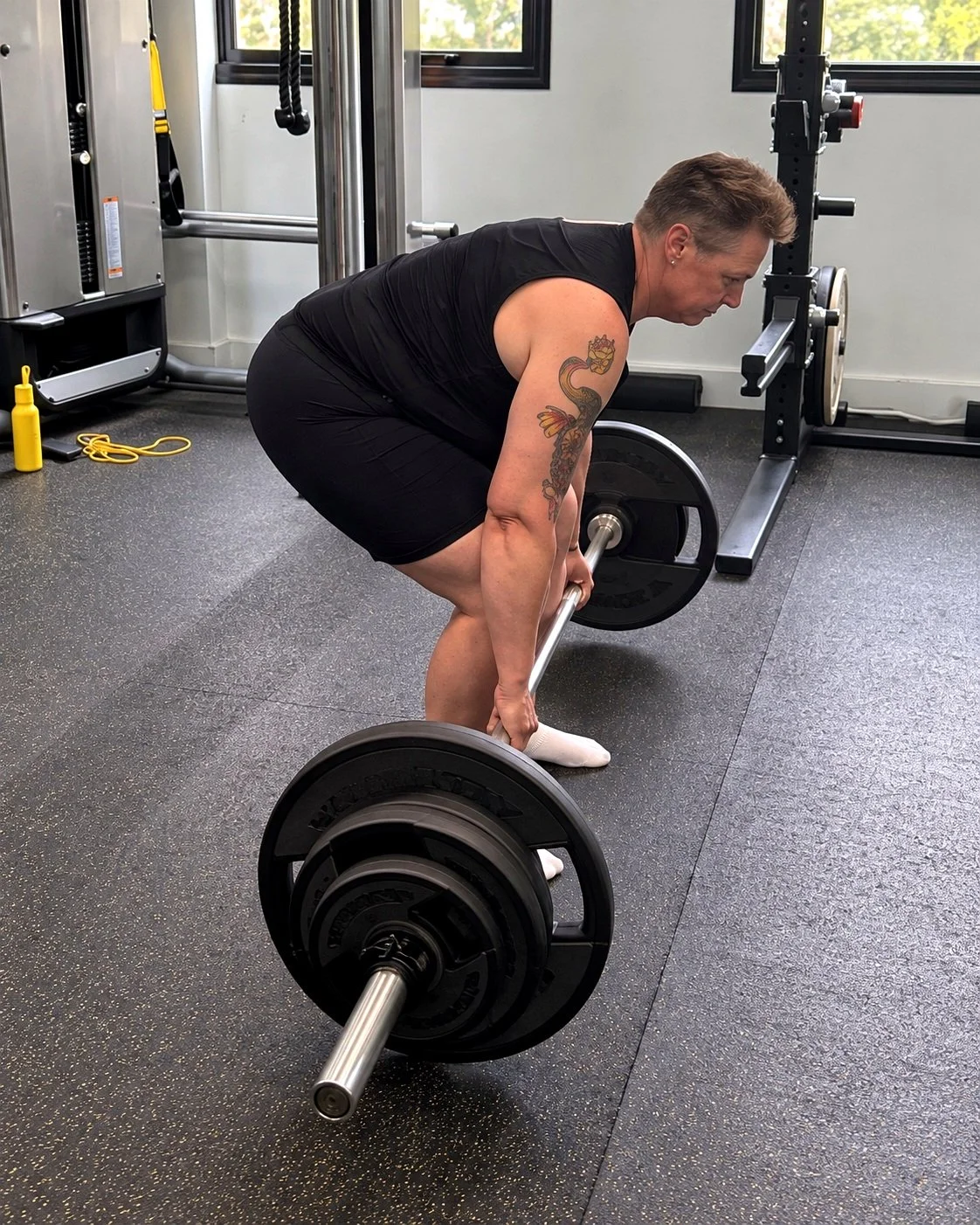
Thin Doesn't Automatically Mean Healthy
You can be slim and have very little muscle strength.
You can be a healthy weight but have poor cardiovascular fitness.
Equally, you can carry excess body fat and be considerably stronger and fitter than someone much lighter.
Body weight matters in some aspects of health, but it doesn't tell us everything.
The number on the scales doesn't tell you how easily you can climb stairs, lift your shopping, get up off the floor or maintain your independence as you age.
It doesn't tell you how strong your muscles are or how well your heart and lungs work.
And those things matter. A lot.
What About the Muscle We're Losing?
One of my biggest concerns with rapid weight loss is what happens to muscle.
When we lose weight, we don't necessarily lose only fat. Some of that weight can come from lean tissue, including muscle.
Without enough protein and appropriate resistance training, we risk losing something incredibly valuable.
Muscle isn't just about looking toned or lifting heavy weights.
It helps us move, supports our joints, contributes to metabolic health and allows us to remain physically capable.
This becomes especially important as we get older.
And it's why I believe resistance training should be part of the conversation whenever we're talking about long-term weight management.
What Does the Science Say?
UK physical activity guidelines recommend muscle-strengthening activities on at least two days a week, alongside regular aerobic activity.
And there's good reason for that.
Research shows that resistance training helps preserve muscle during weight loss, particularly when combined with adequate protein.
Maintaining muscle supports strength, physical function and metabolic health — all increasingly important as we get older.
And here's something worth remembering:
Exercise can improve your health even when the number on the scales barely changes.
Improvements in strength, cardiovascular fitness and physical function are all meaningful progress.
Yet they're often overlooked because we're so focused on weight.
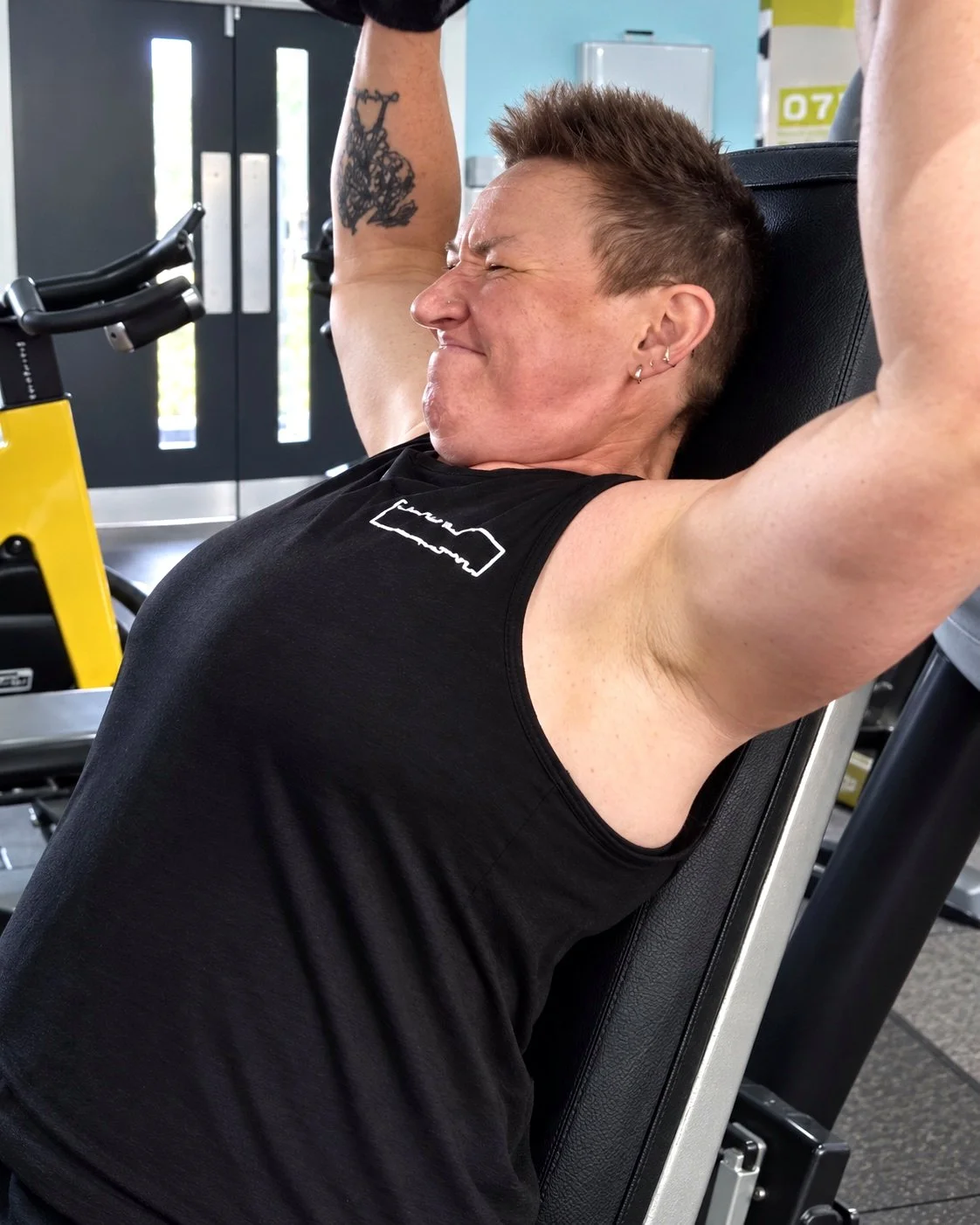
I've Changed How I Measure My Own Progress
These days, I'm much more interested in what my body can do than simply what it weighs.
Yes, I still have weight-loss goals. I'm not pretending the scales don't matter to me.
But I also want to preserve my muscle, improve my strength, maintain my fitness and keep doing the things I enjoy for as long as possible.
I've lost weight while becoming stronger, and that's something I'm genuinely proud of.
I'm not interested in becoming lighter at any cost.
I want to be strong, active, capable and healthy as I get older.
And that's exactly what I want for the people I coach.
What Does the Research Actually Tell Us?
The science supports something I've believed for years: being lighter isn't necessarily the same as being healthier.
A 2025 systematic review and meta-analysis published in BMJ Open Sport & Exercise Medicine examined 25 studies involving resistance training during weight loss.
The findings were interesting.
People who combined resistance training with dieting didn't necessarily lose more total body weight than those who dieted alone.
But they preserved more fat-free mass, lost more fat and improved their strength.
In other words, the scales might show similar results, but what's happening to the body can be very different.
And it's not just about weight loss.
The UK Chief Medical Officers' physical activity guidelines, updated in 2026, recommend muscle-strengthening activities at least twice a week alongside regular cardiovascular exercise.
The guidance also recognises that physical activity improves health even when weight loss doesn't occur.
So perhaps we should stop asking only, "How much weight have you lost?"
And start asking:
"What have you gained in strength, fitness and quality of life?"
Because those improvements could be far more valuable in the years ahead.
2025 systematic review: Resistance training during weight loss — BMJ Open Sport & Exercise Medicine.
2026 UK Chief Medical Officers' Physical Activity Guidelines.
Stop Chasing Smaller. Start Building Better.
What if we changed the way we measure success?
Instead of focusing entirely on the scales, imagine celebrating getting stronger, moving more easily, having more energy and feeling more confident in your own body.
Weight loss may absolutely be part of your journey. But it shouldn't be the only thing that matters.
I don't believe fitness should be about punishing yourself for the body you have.
And I don't believe success should be measured by how quickly you can make that body smaller.
I want to help people become stronger, healthier and more capable — not simply lighter.
Because the real transformation isn't what you can achieve in six weeks.
It's what you're still able to do in ten, twenty or thirty years.
That's what Build to Last Coaching is all about.
